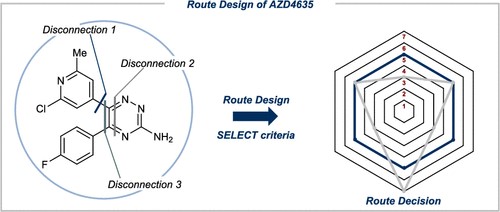
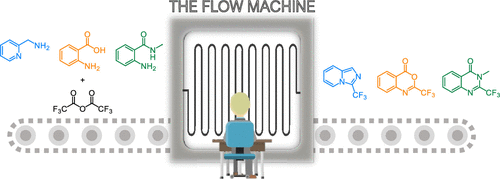
Multistep synthesis is where chemistry becomes most challenging—and where traditional batch methods often struggle.
Each additional step introduces complexity: unstable intermediates, yield loss, safety concerns, and variable conditions. In batch, these challenges compound as every stage requires isolation and handling.
Continuous flow offers a fundamentally different approach.
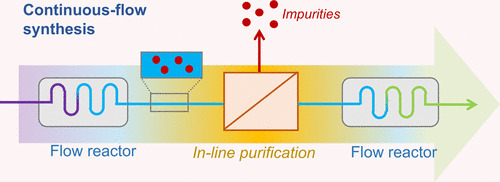
By generating and consuming intermediates in situ, flow enables multi-step synthesis under conditions that are unsafe, unstable, or poorly controlled in batch. Hazardous intermediates are handled safely, high temperatures and pressures become accessible, and precise control over mixing and residence time delivers higher purity and reproducibility.
Flow also enables solid-supported multi-step synthesis, as demonstrated by fast-flow peptide synthesis—where complex sequences are built step-by-step on resin with efficient washing, controlled coupling, and real-time insight into performance.
From telescoped reactions to photochemistry and electrochemistry, flow opens up a broader chemical space—while reducing risk and improving data quality.
It’s not just faster. It’s fundamentally better chemistry.
What is multistep synthesis?
Multistep synthesis is a chemical strategy for creating a molecule by using multiple chemical reactions to convert one set of starting materials into the desired final compound. This approach is often used when the desired compound cannot be synthesized in a single step or when it is more efficient to synthesize the compound through multiple steps. Multistep syntheses often involve several different types of chemical reactions, such as organic reactions, inorganic reactions, and polymerization reactions. By carefully planning the sequence of reactions, chemists can synthesize complex compounds in a controlled and efficient manner. Multistep syntheses are an important tool in the field of synthetic chemistry, as they allow chemists to create a wide range of compounds for a variety of applications.
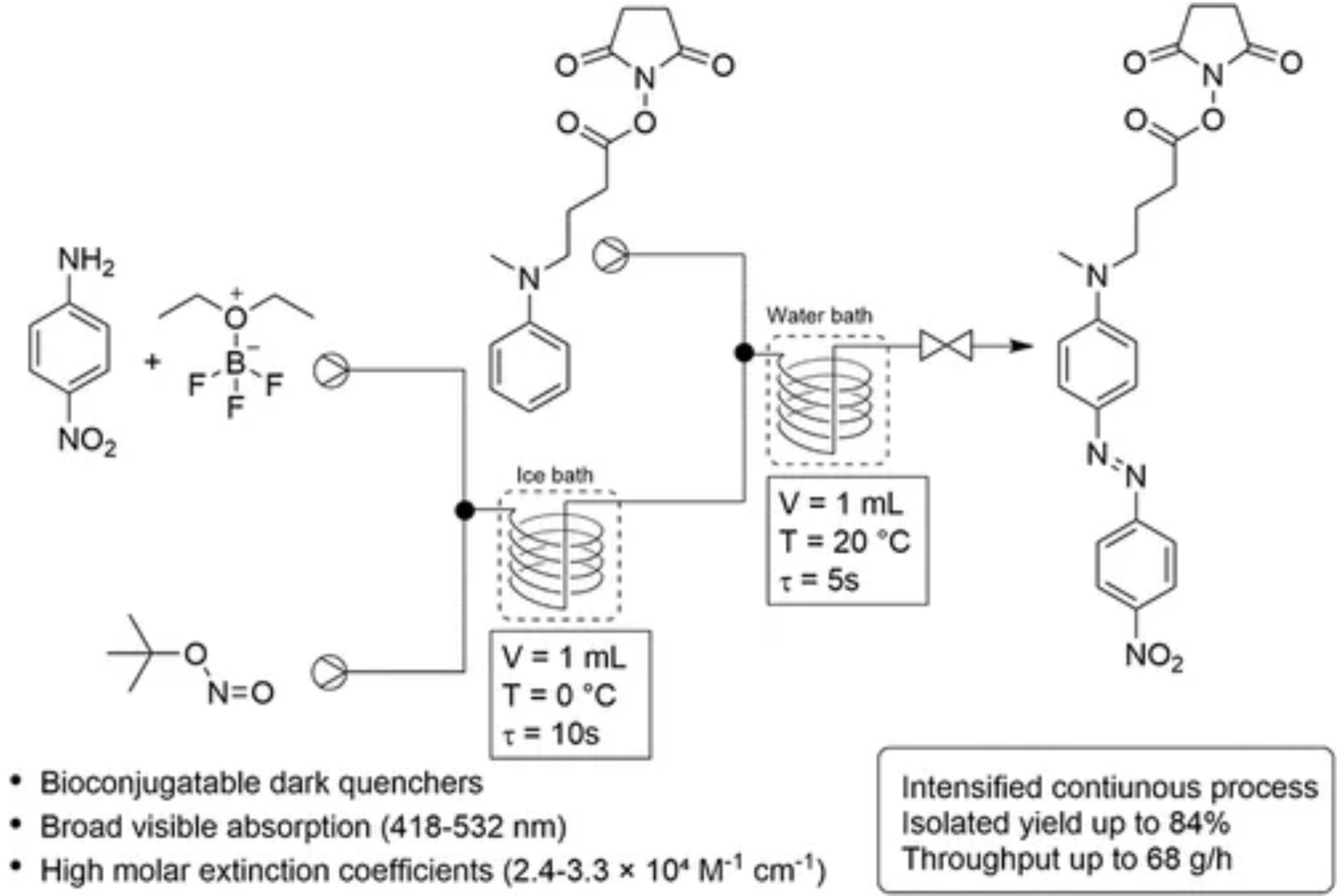
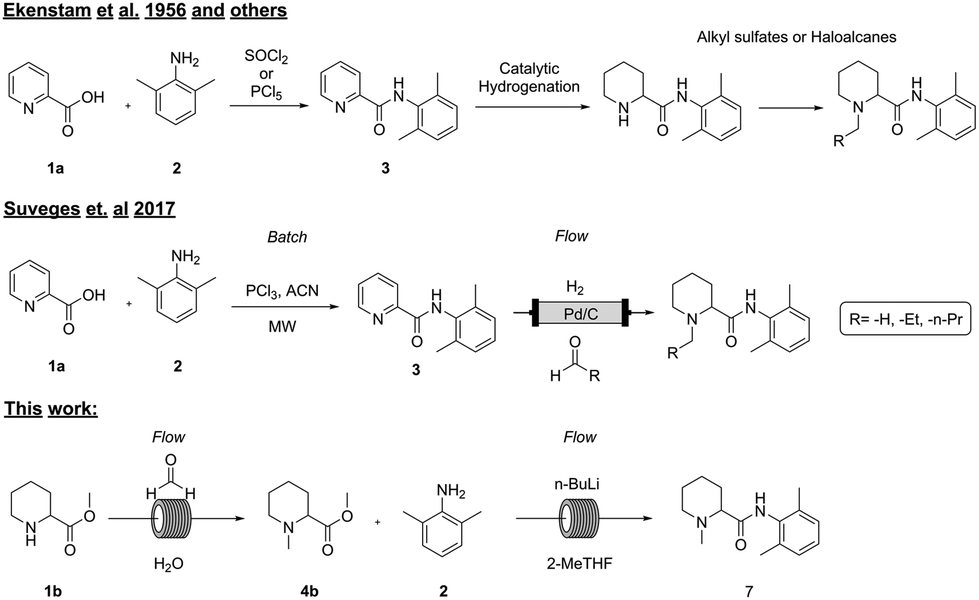
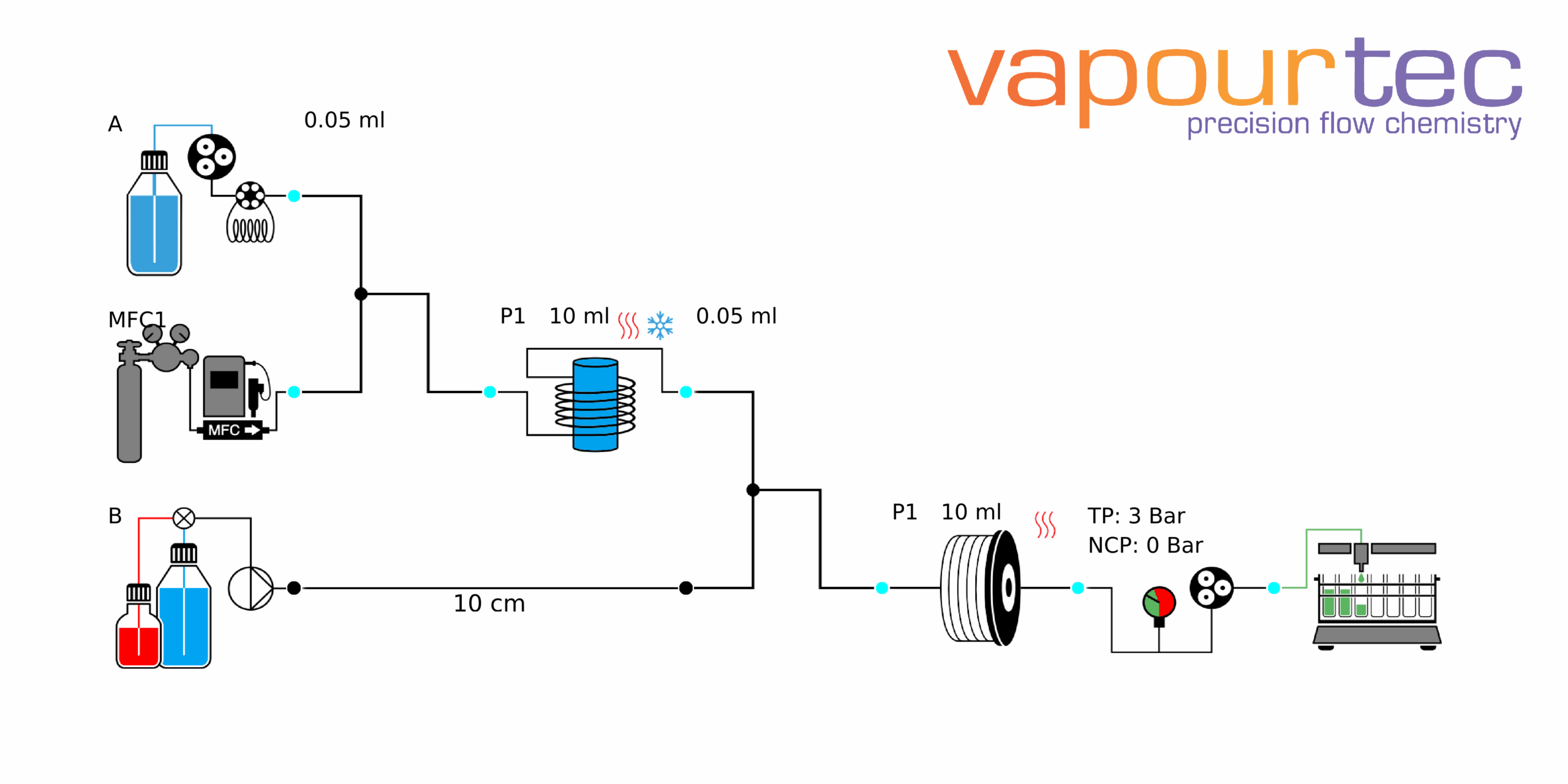
In flow chemistry, each step of the synthesis would be carried out in a separate flow reactor, with the reactants from one step being continuously flowed into the next reactor to undergo the next reaction in the sequence.